Bank of England Maintains Interest Rates Amid Global Energy Price Shock
The Bank of England has opted to hold UK interest rates steady at 3.75% following a unanimous vote by its Monetary Policy Committee (MPC). This marks the first time since September 2021 that all nine MPC members have voted in agreement. However, the central bank issued a stark warning that it stands ready to implement rate hikes should the ongoing conflict in the Middle East continue to elevate energy prices and fuel inflationary pressures.
Unanimous Decision with a Hawkish Stance
In a statement released on Thursday, 19 March 2026, the MPC highlighted that the war involving the US, Israel, and Iran has triggered a significant surge in global energy prices. This spike is already manifesting at petrol pumps across the UK and threatens to drive up household energy bills later in the year. While policymakers have chosen to maintain the current interest rate to allow for further assessment of developments in the Middle East, they emphasised that a "more restrictive policy stance"—indicating potential rate increases—may be necessary if the conflict persists and exerts greater upward pressure on UK prices.
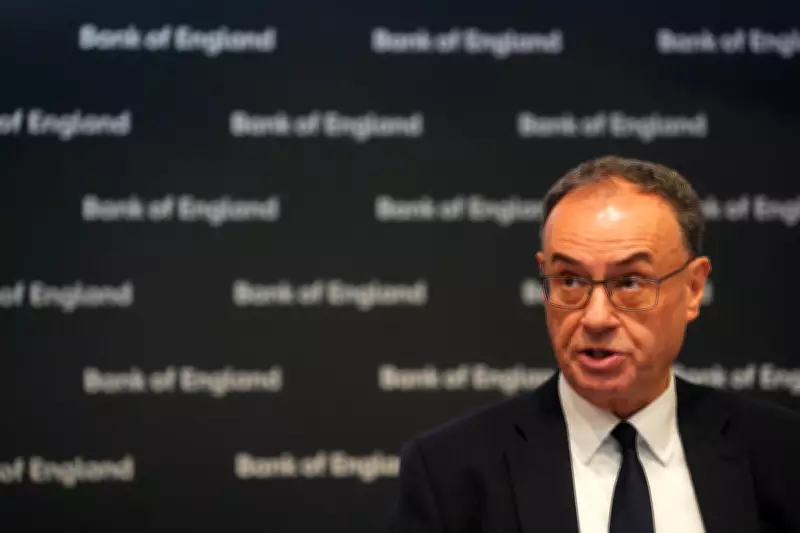
Governor Andrew Bailey underscored the direct impact of the geopolitical turmoil, stating, "War in the Middle East has pushed up global energy prices. You can already see that at the petrol pump and, if it lasts, it will feed into higher household energy bills later in the year." He affirmed that the Bank is monitoring the situation "extremely closely" and "stands ready to act" to ensure inflation returns to its 2% target.

Shifting Views Within the MPC
The unanimous hold masks a notable shift in sentiment among committee members. Swati Dhingra, historically the most consistent advocate for rate cuts, acknowledged that the UK economy is at a "crossroads" and suggested rates may need to rise if oil and gas supply disruptions become prolonged. Similarly, Catherine Mann indicated her perspective has moved away from considering rate cuts toward maintaining rates for an extended period, "or even a hike at some point to lean against inflation persistence."
Revised Inflation Forecasts and Market Reactions
In light of the recent energy price shock, the MPC has revised its inflation outlook upward. It now expects inflation to reach approximately 3% in the second quarter of 2026, a significant increase from the 2.1% forecast in February. The committee warned that higher wholesale gas prices could lead to an increased Ofgem energy price cap from July, potentially adding around 0.75 percentage points to inflation in the third quarter. Combined with businesses passing on elevated energy costs to consumers, this could push Consumer Price Index (CPI) inflation as high as 3.5% in the third quarter, up from a previous forecast of 2%.
The Bank cautioned that even a short-lived conflict is likely to keep energy prices elevated for a sustained period, with further escalation risking additional inflationary pressures. Events over the next six weeks are expected to provide clarity on the conflict's duration and its broader ripple effects on oil, gas, and other Middle Eastern commodities like fertiliser.
Financial Markets and Economic Analysis
Financial markets responded swiftly to the Bank's announcement, with traders pricing in the possibility of interest rate increases this year. Some bets even anticipated a rise of 0.5 percentage points. However, Governor Bailey urged caution, suggesting markets were "getting ahead" of themselves in predicting multiple hikes. He advised against drawing "strong conclusions about raising interest rates" at this juncture.
Rob Wood, chief UK economist at Pantheon Macroeconomics, described the MPC's decision as a "foregone conclusion" after the war-induced oil price spike but noted that the vote and guidance changes were "hawkish compared to market expectations." He added, "Our call is Bank rate on hold in 2026, but the surge in oil and especially natural gas prices this morning tilts the risks further towards hikes."

On Thursday morning, UK natural gas prices soared by more than 20%, while Brent crude oil increased by about 8% before settling slightly lower. The cost of UK government borrowing also rose, with two-year gilt yields jumping 0.3 percentage points to 4.39% and 10-year gilt yields climbing 0.1 percentage points to 4.77%, nearing their highest level since 2008. Yields move inversely to prices, indicating a decline in bond prices as expectations for higher interest rates intensify.