

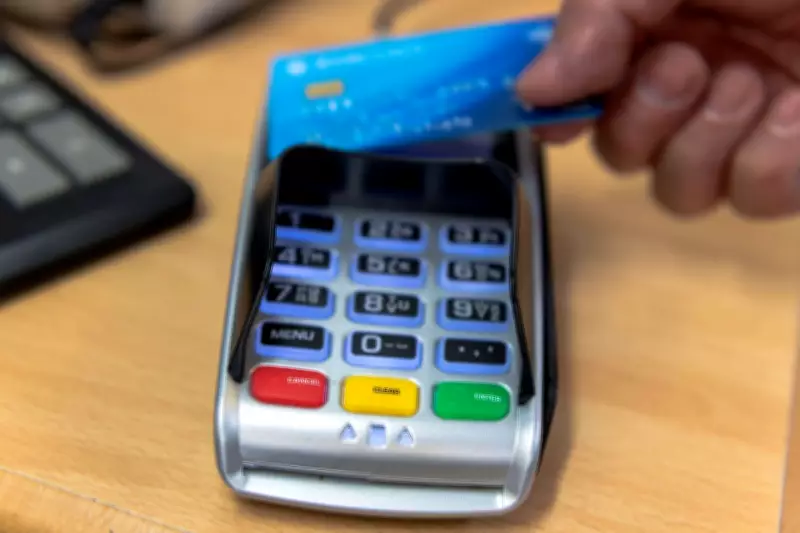
UK Banks Granted New Flexibility for Contactless Payment Limits
Significant regulatory changes have come into effect, granting British banks and payment providers enhanced autonomy over contactless transaction limits. From Thursday 19 March 2026, institutions with robust fraud prevention systems can now establish their own higher contactless payment thresholds, marking a departure from previous standardized restrictions.
Current Limits Remain Unchanged Despite New Powers
Despite this newfound flexibility, Britain's major banking institutions have confirmed they will maintain the existing £100 contactless card limit for the immediate future. Many banks already provide customers with the ability to set lower personal limits through their banking applications, offering greater control over spending security.
Several account providers have indicated they are actively reviewing the situation, with commitments to notify customers promptly should any changes to contactless limits be implemented. The Financial Conduct Authority (FCA) confirmed these regulatory adjustments would take effect from March 19, following an announcement made in December of the previous year.

Drivers Behind the Regulatory Shift
The regulatory changes aim to enable financial institutions to better respond to evolving consumer demands, inflationary pressures, and technological advancements. Firms that elect to modify their contactless limits will be required to communicate these changes transparently to their customer base, according to FCA guidelines.
Financial institutions are being actively encouraged to provide customers with options to establish personal contactless limits or disable the feature entirely, with many banks already implementing such functionality. The revised regulations would additionally permit firms to reconsider their cumulative contactless payment approaches in future operational decisions.
Background Security Measures and Market Context
Background security protocols continue to require customers to enter their PIN after reaching certain transaction thresholds or spending amounts. The popularity of contactless payments has experienced remarkable growth in recent years, with limits having been incrementally increased through multiple regulatory adjustments.
According to Barclays consumer spending data, an impressive 94.6% of eligible in-store card transactions utilized contactless technology during 2024, representing a tenfold increase in monthly contactless transactions compared to 2015 figures. UK Finance statistics reveal that as of December 2025, contactless payments accounted for 67% of credit card transactions and 76% of debit card transactions.
The average contactless payment value stands at just under £18 according to UK Finance data. The FCA believes that providing greater flexibility will incentivize financial institutions to enhance their fraud prevention measures, ultimately offering consumers improved protection against unauthorized transactions.
Industry Perspectives and Security Considerations
Peter Harmston, Head of Payments Consulting at KPMG UK, commented: "Over nearly a decade, contactless has become the nation's default payment method. Consumers prioritize speed and convenience above other considerations, so removing standardized contactless limits represents progress toward meeting these expectations."
"While I don't anticipate immediate dramatic changes, we will likely observe banks and card providers adjusting their contactless limits or potentially eliminating them entirely over the coming years. Security remains the paramount concern for financial institutions, who already bear substantial costs from fraudulent activities. They will work diligently to ensure contactless limit adjustments don't expose customers to increased risk."
Bank-Specific Contactless Policies
Major UK financial institutions have outlined their current contactless payment approaches:

- NatWest: No immediate plans to change the £100 contactless limit. Customers can already adjust their limits below £100 or disable contactless through their banking application.
- Santander UK: Maintaining the £100 limit with no current adjustment plans. Customers can disable contactless or set custom limits in £5 increments.
- Lloyds Banking Group: Customers of Lloyds, Halifax, and Bank of Scotland can establish personal contactless limits through their apps in £5 increments up to £100. The bank remains committed to maintaining this flexibility.
- Barclays: Personal banking customers can set contactless limits up to £100 via their Barclays app, with the bank continuing to apply the £100 payment limit.
- HSBC UK/First Direct: Both brands will maintain the £100 contactless limit, though customers cannot currently set lower limits through their applications.
- Nationwide Building Society/Virgin Money: No immediate plans to increase the £100 limit, though the situation remains under review. Nationwide customers can already set limits below £100 through their banking app.
- TSB: Not increasing the £100 cap. Customers can use the TSB app to lower their limit or disable contactless entirely.
- Starling Bank: Currently reviewing limit increase possibilities with no decisions finalized. Customers can already customize single transaction contactless limits through their app.
- Monzo: Customers can customize contactless limits or disable the feature via their Monzo app. The bank regularly reviews payment limits but maintains current settings.
- Revolut: Not currently planning to raise contactless transaction limits, though plans remain under review. Customers cannot set lower contactless limits than £100 but can establish monthly spending caps.
The review of contactless card limits formed part of approximately fifty measures outlined by the regulator in a January letter to Prime Minister Sir Keir Starmer, designed to support economic growth initiatives. Existing consumer protections remain intact, ensuring reimbursement for unauthorized fraud cases involving lost or stolen cards.
Higher payment thresholds through mobile wallet applications continue to be possible, with identity verification through facial recognition or fingerprint authentication providing additional security layers. The FCA's regulatory adjustments represent a significant step toward personalized payment solutions while maintaining robust fraud prevention frameworks across the UK financial sector.





