

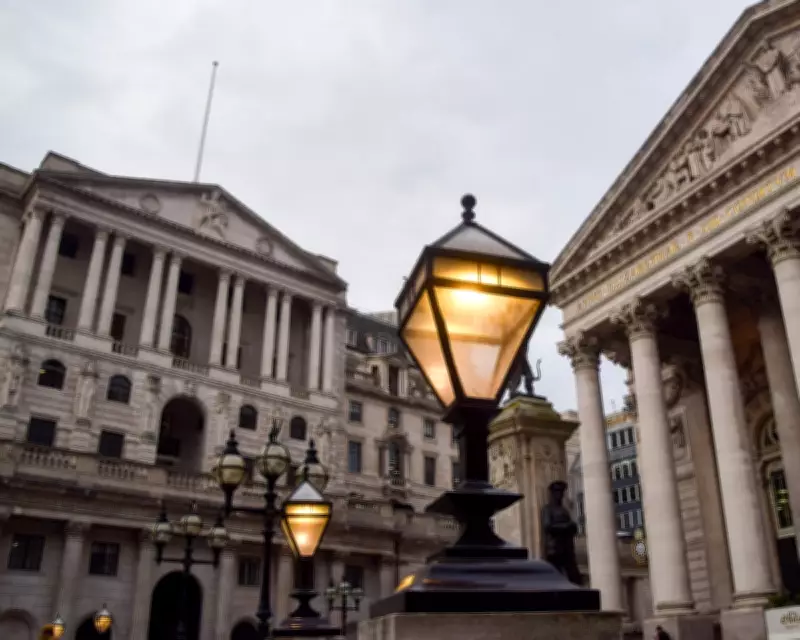
Bank of England Holds Interest Rates Steady Amid Iran Conflict Inflation Concerns
The Bank of England has decided to maintain its base interest rate at 3.75%, while issuing a stark warning that the ongoing conflict involving Iran could push inflation in the United Kingdom above 3% throughout this year. This decision comes as global energy prices surge due to the war, threatening to exacerbate the cost of living crisis for British households.
Unanimous Vote and Inflationary Pressures
In a unanimous vote, the Bank's Monetary Policy Committee (MPC) opted to hold rates steady, reflecting growing apprehension over the economic fallout from the Middle Eastern conflict. The committee highlighted that the "new shock" to the economy is likely to result in higher inflation in the short term than previously anticipated, placing additional strain on finances already weakened by persistent high living costs.
Andrew Bailey, the Governor of the Bank of England, emphasized the direct impact of the war, stating, "War in the Middle East has pushed up global energy prices. You can already see that at the petrol pump, and if it lasts, it will feed into higher household energy bills later in the year." He reiterated the Bank's commitment to returning inflation to its 2% target, regardless of external pressures.

Energy Price Surges and Economic Forecasts
Against a backdrop of increasing volatility in global markets, the Bank projected that based on current oil and gas prices, the Iran conflict would keep UK inflation elevated above 3% in 2024. Oil prices have spiked significantly, with Brent crude reaching $114 per barrel, while European gas prices surged by 17% in recent trading sessions.
Initially, financial markets had anticipated a potential rate cut before the outbreak of the war, driven by cooling inflationary pressures and a slowdown in economic activity. However, the conflict has reversed these expectations, with the Bank now forecasting that inflation could rise to approximately 3.5% in March and remain more than a percentage point above the 2% target through 2026.
Impact on Households and Business Costs
Threadneedle Street, the Bank's headquarters, detailed that rising energy prices directly could add about 0.75 percentage points to inflation this autumn. Furthermore, businesses passing on higher operational costs to consumers might contribute an additional 0.25 percentage points, compounding the financial burden on households already feeling the pinch.
Megan Greene, an external member of the MPC, noted in the meeting minutes that households and businesses are likely more sensitive to this new inflation shock due to inflation having been above the 2% target for nearly five years. This heightened sensitivity contrasts with the 2022 energy crisis triggered by Russia's invasion of Ukraine, which occurred amid stronger global demand and supply bottlenecks post-pandemic.
Diverging Views Within the MPC
Internal discussions revealed differing perspectives among MPC members. Some, including deputy governors Sarah Breeden and Dave Ramsden, indicated they would have supported a rate reduction prior to the conflict. Conversely, others, such as economist Swati Dhingra—previously a consistent advocate for cuts—warned that borrowing costs might need to increase if the inflation shock proves sustained.
Economists have cautioned that a prolonged conflict and elevated energy prices could severely impact living standards globally. The UK's inflation peaked at 11.1% in late 2022, a four-decade high following the Ukraine war, underscoring the vulnerability of the economy to geopolitical tensions.
In summary, the Bank of England's cautious stance reflects the precarious balance between supporting economic stability and combating inflationary pressures exacerbated by the Iran conflict, with significant implications for UK monetary policy and household finances in the coming months.






