

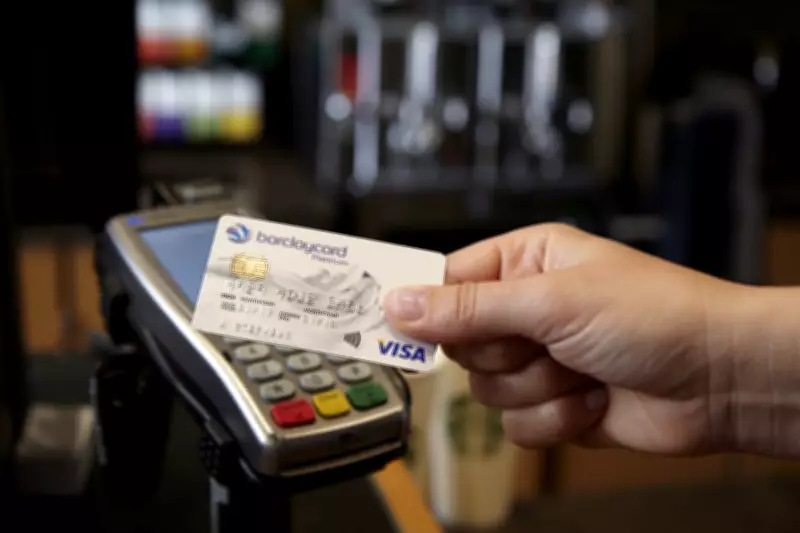
Contactless Card Limits Set for Major Regulatory Change: What You Need to Know
Significant new regulations taking effect from Thursday will fundamentally alter how contactless payment limits are determined across the United Kingdom. The Financial Conduct Authority (FCA) has confirmed that from 19 March, banks and payment providers with robust fraud controls will gain the authority to set their own contactless card payment limits, moving away from the previous standardized approach.
Flexibility for Financial Institutions
While major British banks including Barclays, HSBC, Lloyds, and NatWest have confirmed they will maintain the current £100 limit for the immediate future, this regulatory shift provides them with substantial flexibility to adjust limits in response to changing consumer demands, inflationary pressures, and technological advancements. The contactless payment threshold has been raised several times previously, reflecting the evolving nature of digital transactions.
The FCA believes this new flexibility will incentivise firms to enhance their fraud prevention measures, ultimately providing consumers with greater protection. Existing safeguards will remain firmly in place, ensuring that consumers must be reimbursed in cases of unauthorised fraud, such as when a card is lost or stolen.

Consumer Control and Current Practices
Many financial institutions already allow customers to set their own lower limits or disable contactless functionality entirely through banking applications. Under the new framework, firms are being actively encouraged to expand these consumer control options. However, it remains at the discretion of individual providers to determine if and when they will utilise this new regulatory flexibility.
Several banks are currently reviewing their positions regarding potential limit adjustments, with commitments to inform customers clearly about any future changes. Those institutions that do decide to implement changes will be required to communicate them transparently to their customer base, as mandated by the regulator.
The Growth of Contactless Payments
The popularity of contactless transactions has surged dramatically in recent years. According to consumer spending data from Barclays, an impressive 94.6% of eligible in-store card transactions were contactless in 2024, representing ten times the volume of contactless transactions per month compared to 2015 levels.
Figures from UK Finance further illustrate this trend, showing that as of December 2025, contactless payments accounted for 67% of credit card transactions and 76% of debit card transactions. Despite this widespread adoption, the average value of a contactless payment remains just under £18 according to UK Finance statistics.
Bank-Specific Approaches
NatWest has confirmed no immediate plans to change the contactless limit, though customers will be notified if this position changes. The bank already allows customers to switch contactless functionality on or off and adjust their limit below the standard £100 through their banking application.
Santander UK similarly maintains no current plans to alter the £100 limit. Santander customers can already disable contactless payments or set custom limits in £5 increments.
Lloyds Banking Group, including Halifax and Bank of Scotland brands, enables customers to set their own contactless payment limits in £5 steps up to £100 through their applications. The bank remains committed to maintaining this flexibility but has no immediate plans to change existing limits.
Barclays personal banking customers with debit cards can establish their own contactless limits up to £100 within the Barclays app, with the bank continuing to apply the £100 card payment limit.
HSBC UK and First Direct will keep the contactless limit at £100 for both brands, though customers currently cannot set lower limits within their applications.
Nationwide Building Society and Virgin Money have stated they have no immediate plans to increase the current £100 transaction limit but will continue reviewing this position in coming months. Nationwide customers can already set contactless card limits below £100 through their banking app.

TSB is not increasing the cap beyond the current £100 level, though customers can use the TSB app to lower this limit or remove contactless functionality entirely.
Starling Bank is currently reviewing the regulatory changes with no decisions made yet. Customers can already set their own single transaction contactless limits, adjustable from £100 down to £0 through their Starling app.
Monzo customers can customise their contactless limits in the Monzo app, including lowering limits or disabling contactless payments. The bank regularly reviews payment limits but has no current changes planned.
Revolut is not currently planning to raise the contactless transaction limit, though plans remain under review. Revolut customers cannot currently set lower contactless limits than £100 but can establish monthly spending caps across all payment types.
Broader Regulatory Context
The review of contactless card limits represents one of approximately 50 measures the FCA outlined in a January letter to Prime Minister Sir Keir Starmer aimed at supporting economic growth. The regulatory changes also permit firms to reconsider their cumulative contactless approaches in future, potentially altering requirements for PIN entry after certain numbers of transactions or spending thresholds.
Higher payments through mobile wallets remain possible under existing frameworks, with phones verifying user identity through facial recognition or fingerprint authentication. This regulatory evolution reflects the continuing transformation of payment systems in response to technological innovation and changing consumer behavior patterns across the financial services landscape.





