

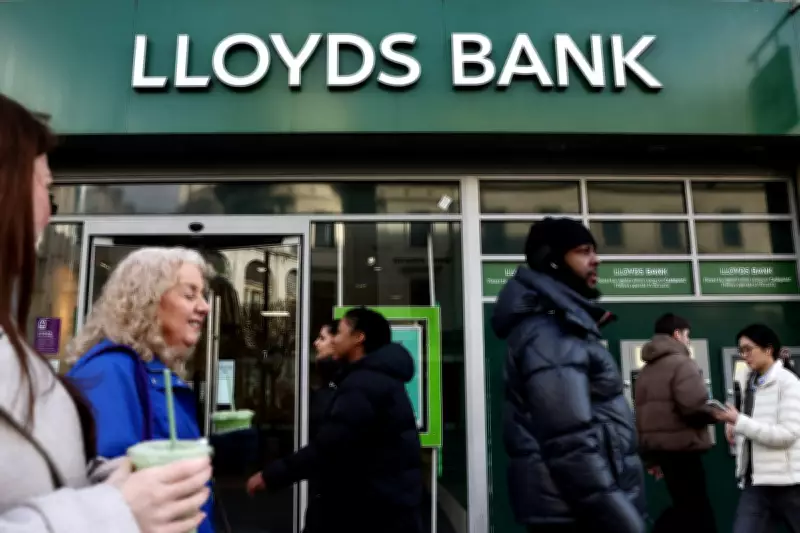
Lloyds Banking Group Faces Parliamentary Inquiry Over Major App Data Breach
Lloyds Banking Group is confronting intense scrutiny from a powerful parliamentary committee following a significant data breach that permitted some customers to view other users' financial transactions through their banking applications last week. This incident has triggered the Treasury Committee to demand immediate and comprehensive answers from the high street banking giant, highlighting severe concerns over data confidentiality and customer security.
Formal Demands from the Treasury Committee
Dame Meg Hillier, the chairwoman of the Treasury Committee, has formally written to Charlie Nunn, the group chief executive of Lloyds Banking Group, seeking detailed information. Her letter, explicitly headed "improper disclosure of individuals’ account information," requests specifics on the number of customers affected, the expected compensation payouts, and the precise nature of the sensitive data that became visible to unauthorized parties.
Emphasizing the gravity of the situation, Dame Meg stated: "On the face of it, this is an alarming breach of data confidentiality. In the interests of transparency, I would welcome a set of responses from Lloyds Banking Group related to this troubling incident." The committee has set strict timelines for further disclosures, requiring an initial assessment within one month on whether any customers have fallen victim to financial crime as a direct result of the exposed information.

Details of the App Glitch and Customer Reports
On 12 March, numerous customers using the Bank of Scotland, Lloyds, and Halifax banking applications reported that they were able to access information related to other people’s accounts through their own apps. Customers described seeing transactions unrelated to them, including direct debits, wages, cash withdrawals, and even some national insurance numbers linked to payments.
One customer recounted her shock, telling the Press Association that she felt she was "looking at someone else’s life" when she logged into her banking app, as she could view the transactions of six different users over a 20-minute period. This breach has raised alarms about the robustness of digital banking security measures and the potential for widespread data exposure.
Regulatory and Historical Context
The Financial Conduct Authority (FCA) has been actively involved, with a spokesperson confirming last week that it was in contact with Lloyds to understand what had occurred and how it was being resolved. The FCA emphasized: "We expect firms to protect customer data and be able to respond to and quickly recover from disruptions." This incident adds to existing concerns, as last March, the committee found that nine of the top banks had accumulated at least 33 days’ worth of outages over the preceding two years, indicating persistent issues in banking technology infrastructure.
Lloyds has previously apologized to customers and stated that it is investigating the incident. However, the Treasury Committee has demanded a more detailed account within six months, including a full description of how the breach occurred and the preventative steps taken to avoid future occurrences. This ongoing inquiry underscores the critical need for enhanced cybersecurity protocols and transparency in the financial sector to safeguard consumer data and maintain public trust.






