

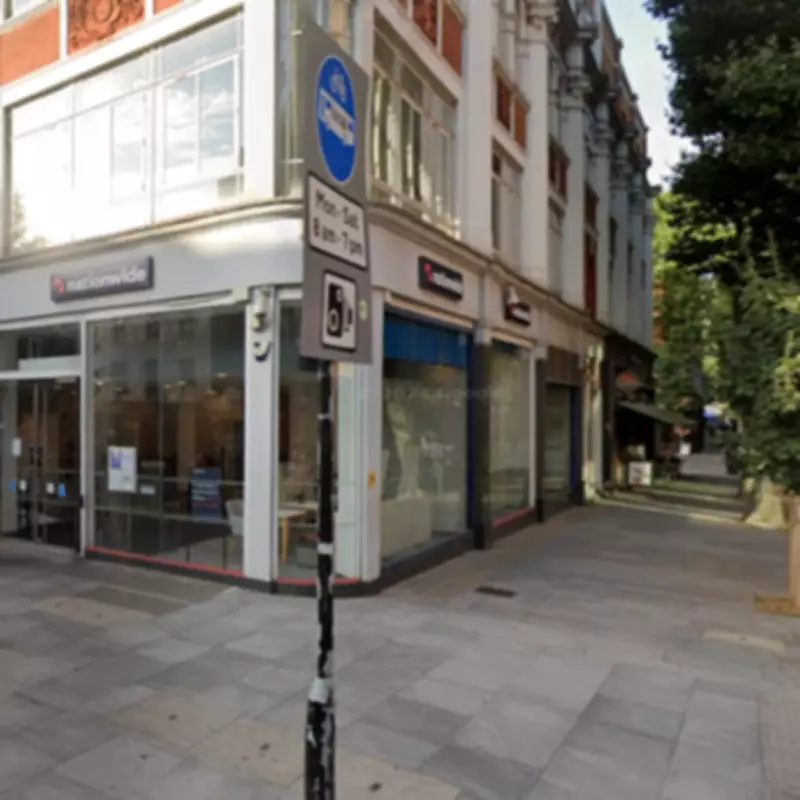
Nationwide Announces Significant Interest Rate Increases for Savers
Nationwide Building Society has implemented a major change for its account holders, effective from today. The high street chain has announced new interest rates for ISA and savings accounts, aiming to provide enhanced value to its members.
New Rates and Product Launches
Richard Stocker, Head of Savings at Nationwide, stated: "We're pleased to be increasing rates across our ISAs and our instant access savings product, giving members even more long-term value and meaningful benefits. Combined with our Branch Promise, we're proud to be bringing even more value to the high street, further demonstrating our commitment to offering positive, competitive rates for our members."
The Society is introducing two new accounts, both offering a competitive return:

- 1 Year Single Access ISA – 4.00%
- 1 Year Single Access Saver – 4.00%
Additionally, Nationwide will increase rates on its fixed-rate cash ISAs:
- 1 Year Fixed Rate ISA – 4.05%
- 2 Year Fixed Rate ISA – 4.05%
- 3 Year Fixed Rate ISA – 4.05%
- 5 Year Fixed Rate ISA – 4.25%
Concurrently, the Society will withdraw its existing 1 Year Triple Access ISA and 1 Year Triple Access Saver, both currently priced at 3.30%.
Housing Market Context
This change coincides with the average UK house price reaching a new high of £301,151 in February, according to Halifax data. Property values increased by 0.3% month-on-month, following a 0.8% rise in January. Annually, the average house price rose by 1.3% in February.
Amanda Bryden, head of mortgages at Halifax, commented: "Since the start of the year, average prices have increased by around £3,000, with a typical property now costing £301,151. These latest figures suggest the market has regained some momentum after a softer end to 2025."
Mortgage Rate Increases and Geopolitical Factors
Several major mortgage lenders, including HSBC UK and Nationwide Building Society, have announced increases to mortgage rates this week. These changes follow rises in swap rates, which lenders use to price mortgages, driven by market expectations of higher inflationary pressure due to conflict in the Middle East.
Mark Harris, chief executive of mortgage broker SPF Private Clients, explained: "Swap rates, which underpin the pricing of fixed-rate mortgages, have edged higher amid fears that rising prices will fuel inflation. Expectations of a near-term base rate cut, perhaps as early as this month, have substantially reduced. A number of lenders have already increased their mortgage rates to reflect higher swaps and others are likely to follow suit in order to keep in line and protect service levels."
Karen Noye, a mortgage expert at wealth manager Quilter, added: "While the market has enjoyed early momentum, geopolitical events may throw this into question. The backdrop for buyers has become more complicated in just a few days. Hopes of a steadier rate environment have been disrupted by fresh instability following the war in Iran."
Expert Analysis on Economic Outlook
Alice Haine, a personal finance analyst at Bestinvest by Evelyn Partners, noted: "Now the housing market has a fresh challenge: conflict in the Middle East that has sent energy prices soaring, creating an inflationary headwind which may cloud the outlook for interest rates, just at a point when borrowing costs had eased into more palatable territory. The Bank of England had been expected to cut interest rates at its next Monetary Policy Meeting on March 19, supported by easing inflation, concerns over rising unemployment and sluggish economic growth – with the potential for further cuts later in the year. However, fears are now mounting that rate cuts may be delayed, or worse, that the Bank may even need to raise rates again to counter a fresh inflationary shock driven by surging energy prices."

Tom Bill, head of UK residential research at Knight Frank, said: "Momentum in the housing market had been rebuilding after November's Budget and the outlook for mortgages was brighter only a week ago. However, a prolonged conflict in the Middle East would dampen sentiment and delay rate cuts due to rising inflation, which would put downwards pressure on prices. That said, we have seen how quickly interest rate expectations can change this year, and the underlying weakness in the jobs market is one of several reasons that multiple cuts could come back onto the table in 2026, which would support demand. A lot hinges on the length of the conflict."
Regional House Price Data
Here are average house prices and annual changes according to Halifax, based on the most recent three months of approved mortgage transaction data:
- East Midlands: £246,697, 0.2%
- Eastern England: £333,450, minus 0.7%
- London: £538,200, minus 1.0%
- North East: £181,838, 3.5%
- North West: £246,292, 2.9%
- Northern Ireland: £218,608, 6.3%
- Scotland: £222,286, 4.7%
- South East: £383,834, minus 2.2%
- South West: £302,775, minus 0.9%
- Wales: £231,637, 2.4%
- West Midlands: £263,072, 1.0%
- Yorkshire and the Humber: £218,777, 1.6%
Tony Gambrill, regional sales director at Chestertons, concluded: "In February, the property market was driven by first-time buyers as well as families wanting to upsize which boosted demand for new-build homes and larger houses. Despite some lenders raising mortgage rates again, house hunters remain undeterred which suggests a particularly busy and competitive spring market ahead."





