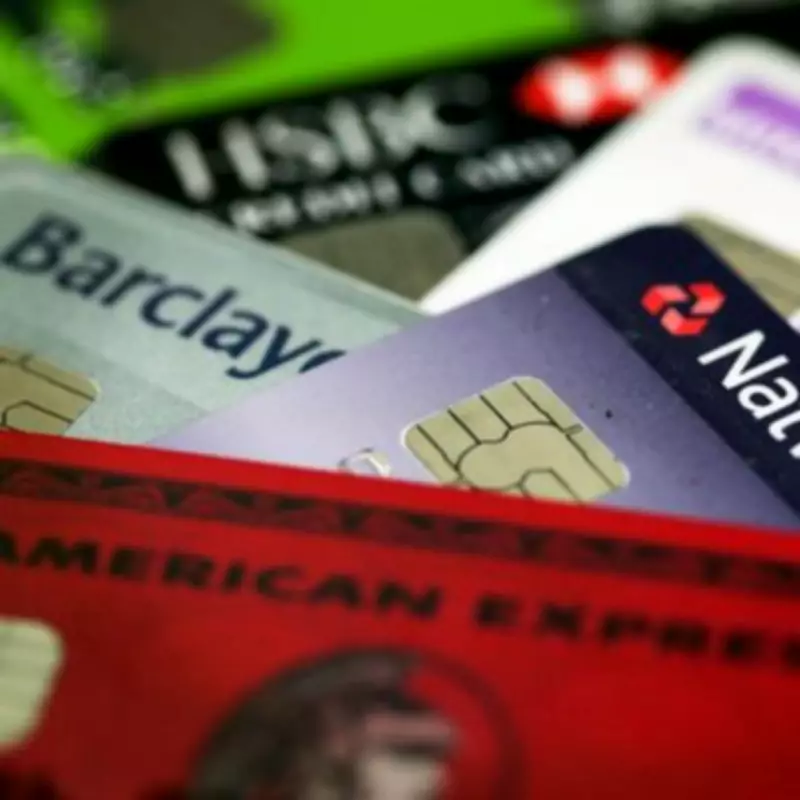
Significant regulatory changes affecting contactless card payments have come into effect across the United Kingdom, granting financial institutions greater autonomy over transaction limits. However, all major high street banks have confirmed they will maintain the current £100 cap for the foreseeable future, while continuing to offer customers the ability to set lower personal limits through their digital banking platforms.
New Regulatory Framework Introduces Flexibility
The Financial Conduct Authority (FCA) confirmed in December 2025 that rule changes would take effect from March 19, 2026, allowing firms with robust fraud controls to determine their own contactless payment thresholds. This shift represents one of approximately fifty measures outlined by the regulator in a January letter to Prime Minister Sir Keir Starmer, designed to support economic growth by enabling financial institutions to better respond to evolving consumer demands, inflationary pressures, and technological advancements.
Under the new framework, individual banks and building societies now possess the discretion to adjust contactless limits according to their risk assessments and customer needs. The FCA has emphasized that any institutions choosing to implement changes must communicate these adjustments clearly to their account holders. The regulatory body believes this increased flexibility will incentivize enhanced fraud prevention measures, ultimately providing consumers with greater protection against unauthorized transactions.

Current Banking Practices Remain Unchanged
Despite the regulatory shift, Britain's leading financial institutions have unanimously declared their intention to preserve the existing £100 contactless limit. Multiple banks have reinforced their commitment to maintaining current thresholds while allowing customers to customize their payment parameters through mobile applications.
According to consumer spending data from Barclays, contactless transactions have achieved remarkable penetration, with 94.6% of eligible in-store card payments utilizing the technology during 2024. UK Finance statistics further reveal that as of December 2025, contactless methods accounted for 67% of credit card transactions and 76% of debit card payments, with the average contactless payment value standing at just under £18.
Individual Bank Positions Detailed
NatWest has confirmed no immediate plans to alter its contactless limit, though the institution will notify customers should any changes occur. The bank already provides functionality within its mobile application that enables users to disable contactless payments entirely or establish personalized limits below the standard £100 threshold.
Santander UK similarly maintains the £100 cap without current adjustment plans. Santander customers can already deactivate contactless functionality or establish custom limits in £5 increments through their banking interface.
Lloyds Banking Group, encompassing Halifax and Bank of Scotland brands, permits customers to configure contactless payment limits in £5 increments up to £100 via their applications. The group has expressed commitment to preserving this flexibility while confirming no present intention to modify existing limits.
Barclays personal banking clients can establish personalized contactless limits up to £100 through the Barclays app, with the institution continuing to apply the standard £100 payment ceiling.
Additional Financial Institution Responses
HSBC UK and First Direct will maintain their £100 contactless limits, though neither currently offers customers the ability to set lower thresholds through their digital platforms.
Nationwide Building Society and Virgin Money have indicated no immediate plans to increase the current £100 transaction limit, though both institutions will continue monitoring the situation. Nationwide customers already possess the capability to establish contactless card limits below £100 through their banking application.
TSB confirms it will not increase its £100 cap, while providing customers with application functionality to either reduce this limit or completely disable contactless payments.

Starling Bank is currently reviewing the regulatory changes without having reached definitive decisions. The digital bank already enables customers to establish personalized single-transaction contactless limits, adjustable through a sliding scale from £100 down to £0 within their application.
Monzo regularly evaluates payment limits but confirms no current changes to its contactless thresholds. Customers can already customize their contactless limits through the Monzo app, including options to lower limits or completely deactivate contactless functionality.
Revolut maintains no present plans to raise its contactless transaction limit, though the institution continues to assess the situation. While Revolut customers cannot currently establish lower contactless limits than £100, they can implement monthly spending caps that restrict total expenditure across all payment methods for specific cards.
Consumer Protections and Fraud Prevention
Existing consumer safeguards remain fully intact under the new regulatory framework. Financial institutions must continue reimbursing customers for unauthorized fraud cases, including scenarios involving lost or stolen payment cards. Higher-value transactions through mobile wallets remain possible, with devices verifying user identity through biometric methods such as facial recognition or fingerprint authentication.
The popularity of contactless payments has experienced exponential growth in recent years, with current monthly transaction volumes representing a tenfold increase compared to 2015 levels. Background security measures continue to require PIN entry after specific transaction counts or spending thresholds, providing additional protection against potential misuse.
Financial experts suggest that while the immediate impact of regulatory changes may appear minimal to consumers, the increased flexibility granted to institutions could foster innovation in payment security and customer experience over the medium to long term.