

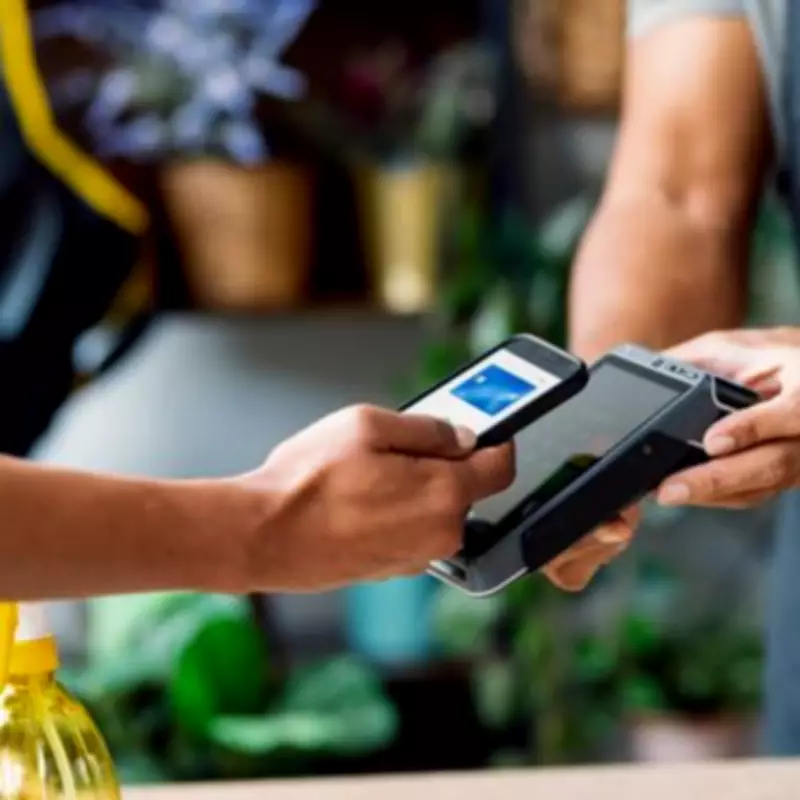
UK Banks Issue Customer Updates as New Contactless Payment Rules Take Effect
Major UK banks have begun updating their customers as a significant rule change from the Financial Conduct Authority (FCA) comes into effect from Thursday, March 19, 2026. The regulatory adjustment permits banks and payment providers with strong fraud controls to establish their own higher contactless card payment limits moving forward.
Current Bank Positions on Contactless Limits
While the new rules provide flexibility for increased limits, most of the UK's leading financial institutions have stated they will maintain the existing £100 contactless card limit for the immediate future. However, many banks already allow customers to set their own lower limits through banking apps, providing individual control over spending parameters.
Several account providers have indicated they are monitoring the situation closely and will inform customers of any future modifications to their contactless payment policies. The contactless card limit has been increased multiple times over recent years, with the latest regulatory change confirmed by the FCA in December 2025.

Regulatory Objectives and Consumer Protection
The FCA's rule amendments aim to enable financial firms to better adapt to evolving consumer demands, inflationary pressures, and technological advancements. Companies that choose to implement changes must clearly communicate these adjustments to their customers as per regulatory requirements.
Firms are also encouraged to allow customers to set their own limits or disable contactless payments entirely, with numerous banks already offering this capability. The rule changes could potentially permit companies to reconsider their overall contactless payment strategies in the future if they wish to do so.
Contactless Payment Trends and Security Considerations
Contactless payments have experienced dramatic growth in popularity over recent years. Barclays' consumer spending data reveals that 94.6% of eligible in-store card transactions were contactless in 2024, representing a tenfold increase in monthly contactless transactions compared to 2015 levels.
According to UK Finance statistics from December 2025, contactless payments accounted for 67% of credit card transactions and 76% of debit card transactions. The average value of a contactless payment remains just under £18 based on current figures.
The FCA anticipates that the prospect of increased flexibility will encourage firms to strengthen their fraud prevention measures, thereby offering consumers enhanced protection. Existing safeguards will remain intact, ensuring consumers are reimbursed in cases of unauthorised fraud, such as when cards are lost or stolen.
Industry Expert Commentary
Peter Harmston, head of payments consulting at KPMG UK, commented: "Over the course of nearly a decade, contactless has become the nation's default way to pay. People value speed and ease above all else so removing the contactless limit takes us a step closer to meeting those demands."
"I don't expect to see any drastic changes on day one, but over the next few years, we will see banks and card providers adjust their own contactless limits or remove them entirely. Banks' top priority will be security. They already pay a heavy price for fraud, so they will work hard to ensure contactless limits don't expose their customers to greater risk."

Bank-Specific Contactless Policies
- NatWest: No immediate plans to alter the £100 contactless limit. Customers can already enable/disable contactless and adjust their limit below £100 via their banking app.
- Santander UK: No current plans to modify the £100 contactless limit. Customers can deactivate contactless or establish their own limits in £5 increments.
- Lloyds Banking Group (including Halifax and Bank of Scotland): Customers can set their own contactless payment limits in £5 increments up to £100 via banking apps. The bank has confirmed its commitment to maintaining this flexibility.
- Barclays: Personal banking customers can establish their own contactless limit up to £100 within the Barclays app. The bank will continue applying the £100 card payment limit.
- HSBC UK/First Direct: The contactless limit will remain at £100 for both brands. Currently, customers cannot set lower limits within their app.
- Nationwide Building Society/Virgin Money: No immediate plans to increase the current £100 contactless transaction limit, though this will be kept under review. Nationwide customers can already set limits below £100 via their banking app.
- TSB: Will not be raising the cap beyond the current £100 level. Customers can use the TSB app to reduce the limit or eliminate contactless payments entirely.
- Starling Bank: Currently assessing the changes with no final decisions made. Customers can determine their own single transaction contactless limit via their app, adjusting from £100 down to £0.
- Monzo: Customers can modify contactless limits in the Monzo app, including reducing limits or disabling contactless payments. No current alterations to contactless payment limits.
- Revolut: No current plans to increase the contactless transaction limit, though strategies are continually reviewed. Customers cannot set lower contactless limits than £100 but can establish monthly spending caps.
The examination of contactless card limits was among approximately 50 measures the regulator outlined in correspondence to Prime Minister Sir Keir Starmer in January 2026 as part of efforts to bolster economic growth through financial innovation.





