

Ofgem has announced a 13% increase in its energy price cap, raising the typical annual dual fuel bill to £1,862 from July 1. This represents a rise of £221 or 13% compared to current levels, adding approximately £18 per month for the average household using both gas and electricity.
What is the energy price cap?
The price cap sets a maximum unit rate and daily standing charge for gas and electricity suppliers in England, Scotland, and Wales. The headline figure indicates what a typical household paying by direct debit can expect, but actual bills depend on usage. Energy is regulated separately in Northern Ireland.
What is changing from July 1?
The cap applies from July 1 to September 30. Electricity bills will rise by about 5%, while gas bills will increase by 24%. Ofgem attributes the rise to higher wholesale gas prices due to the ongoing conflict in the Middle East.

Government pledges vs. reality
The previous cap (April to June) reflected Chancellor Rachel Reeves' promise to cut £150 from average bills. This was achieved by shifting 75% of Renewables Obligation costs to general taxation and scrapping the Energy Company Obligation scheme. However, the latest increase effectively cancels that saving.
Will prices continue to rise?
Early forecasts suggest further increases. Cornwall Insight predicts a cap of £1,899 for October to December, a 2% rise on July's level. This would coincide with higher winter usage. The October figure will be confirmed in August, but analysts warn of ongoing uncertainty in wholesale markets.
What should you do?
Around 40% of households (22 million) are on fixed tariffs and are unaffected. Those on standard variable tariffs should consider switching to a fixed deal. Comparison sites like Uswitch suggest households can lock in rates around £250 below the July cap.
How to switch
Look for deals cheaper than the price cap, with terms of 12 months or less and no significant exit fees. Compare unit rates rather than headline figures.
Other ways to save
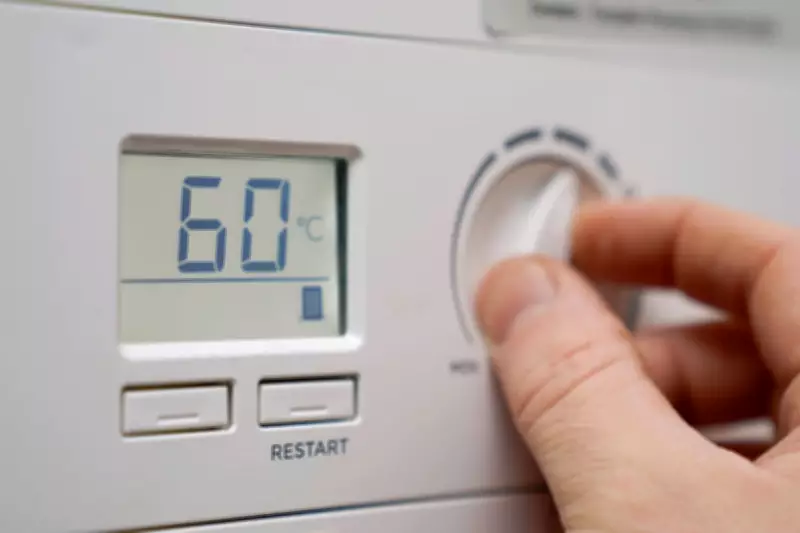
Check if your supplier offers free electricity schemes like British Gas PeakSave or E.on Pledge. Reduce boiler flow temperature to 60°C or below for combi boilers. Use an air fryer instead of an oven, turn down the thermostat, run appliances off-peak, and switch off standby. Send regular meter readings to avoid estimated bills.






