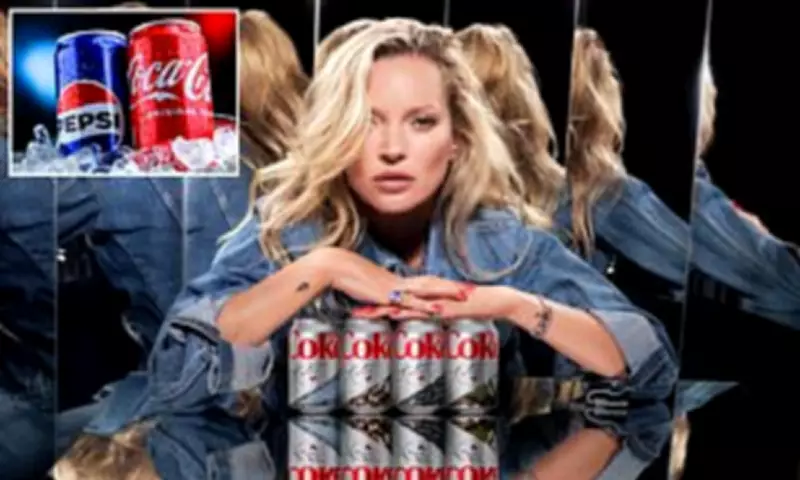
In a dramatic development within the beverage industry, Coca-Cola has achieved a substantial victory over its long-standing rival PepsiCo. Marriott International, one of the world's largest hotel chains, is terminating its official drinks supplier agreement with Pepsi after more than three decades. This strategic move will see Pepsi products replaced by Coca-Cola beverages across Marriott's extensive global network.
A Historic Shift in Hospitality
Marriott International operates approximately 9,700 hotels spread across 143 countries, including a significant presence of 6,200 properties within the United States. For over thirty years, since 1992, Pepsi has served as the exclusive beverage provider for this hospitality giant. The decision to switch represents a major shake-up in one of the most enduring brand rivalries in the global food and drink sector.
Guests at Marriott hotels will now encounter Coca-Cola's comprehensive portfolio prominently featured throughout their stays. From lobby fountains and on-site restaurants to in-room minibars and room service menus, staples like Sprite and Fanta will replace Pepsi offerings such as Mountain Dew, Gatorade, and 7 Up.

Coca-Cola's Statement on the Deal
‘Marriott’s decision reflects the strength of our brands and the preference their guests have for our total beverage portfolio,’ Coca-Cola stated officially. This endorsement underscores the company's confidence in its market position and product appeal within the hospitality industry.
Context of the Cola Wars
This victory for Coca-Cola arrives following a notable setback in 2024, when Subway opted to switch to Pepsi in a comprehensive ten-year agreement covering more than 20,000 locations across the United States. That move initially provoked customer backlash, highlighting Coca-Cola's entrenched dominance in the lucrative $97 billion US soda market.
Currently, Coca-Cola maintains a commanding 19.1 percent share of the US soda market, which is more than double that of any direct competitor. Meanwhile, Pepsi has experienced a decline, slipping to the fourth position among soda brands in the United States. Dr Pepper surpassed Pepsi to claim second place in 2024, with Sprite advancing to third in 2025.
Additional Competitive Wins
Coca-Cola further strengthened its position by securing a significant contract with Costco in 2025. The warehouse retailer discontinued its partnership with Pepsi, despite initially aligning with them in 2013 to sustain the pricing of their famous $1.50 soda and hot dog combination. Retailers like Costco typically operate under exclusive product contracts, permitting distribution of either Pepsi or Coca-Cola beverages, but not both simultaneously.
These contracts are often awarded through competitive bidding processes, where the lowest cost proposal for the retailer frequently determines the victor. The rivalry between Coca-Cola and Pepsi has spanned decades, intensifying notably during the 1980s when Pepsi nearly overtook Coca-Cola at the peak of the cola wars.
Evolving Market Dynamics
Market share data reveals a significant convergence among key players. Two decades ago, sales of Dr Pepper and Sprite each amounted to less than half of Pepsi's volume. At that time, approximately one in every nine sodas sold in the US was a Pepsi product, while Dr Pepper ranked only sixth in popularity, trailing behind Sprite.
The 140-year-old Dr Pepper brand has increased its market share through aggressive advertising campaigns, introduction of new flavors, and a boost from viral TikTok trends. Similarly, Sprite, introduced by Coca-Cola in 1961, has gained substantial ground due to heavy investment from its parent company aimed at securing premium shelf space in retail outlets.
Consumer Trends and Pepsi's Response
Meanwhile, consumer preferences have been shifting away from regular Pepsi toward low-sugar alternatives and emerging competitors like Poppi and Olipop. In response, Pepsi representatives emphasize that the Pepsi brand remains the overall number two soda when considering all variants, including Diet versions.

PepsiCo is investing millions in efforts to reclaim market share. The company has revived the iconic Pepsi Challenge, a marketing campaign that significantly narrowed the gap with Coca-Cola during the 1980s. In 2025, pop-up taste tests across various US cities conducted blind trials pitting Pepsi Zero Sugar against Coke Zero Sugar.
More recently, PepsiCo announced price reductions on popular snack brands such as Lay's, Doritos, Cheetos, and Tostitos chips to attract customers burdened by prolonged price increases. ‘For some consumers, low- and middle-income consumers, the biggest friction they have today in our category… is affordability,’ stated PepsiCo Chairman and CEO Ramon Laguarta during a February conference call with investors.
Under pressure from activist investor Elliott Investment Management, which acquired a $4 billion stake in September, PepsiCo plans to implement price cuts and eliminate nearly one-fifth of its product lineup. The investor argues that the company's North American food and beverage divisions are hindering growth and profitability.
\nThis strategic pivot by Marriott International marks a pivotal moment in the ongoing cola wars, reinforcing Coca-Cola's market leadership while challenging Pepsi to innovate and adapt in an increasingly competitive landscape.