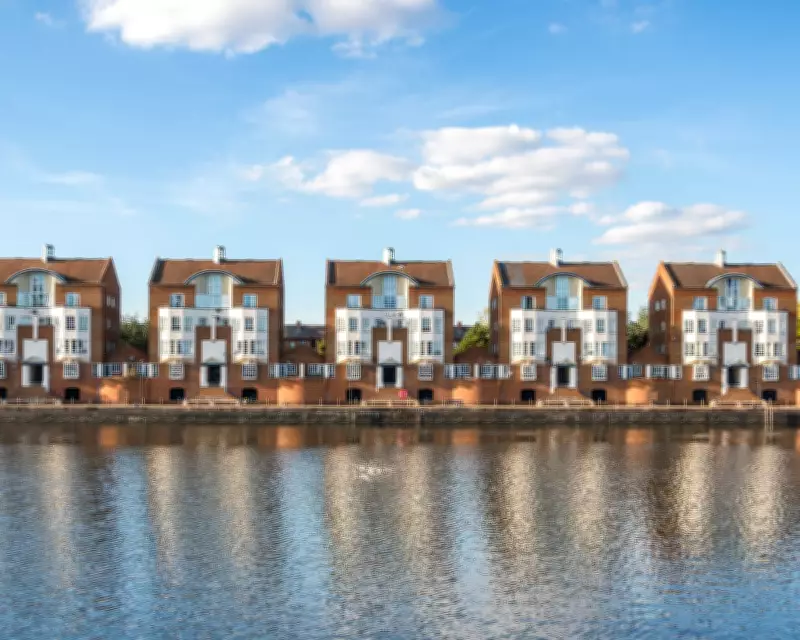
Higher-income households were the primary beneficiaries of George Osborne's Help to Buy mortgage schemes, introduced in the 2010s, according to a comprehensive analysis by the Institute for Fiscal Studies (IFS) thinktank. The report indicates that these initiatives had minimal effect on enhancing social mobility within the housing market.
Overview of Help to Buy Schemes
Launched by the Conservative-Lib Dem coalition government in 2013, Help to Buy comprised two distinct schemes designed to facilitate home ownership during a period of rapid house price inflation. The first scheme involved taxpayer-backed loans to reduce the deposit required by buyers, while the second was a mortgage guarantee scheme that covered part of lenders' potential losses on high loan-to-value mortgages. Both schemes applied to properties valued up to £600,000, and by 2014-15, they supported approximately one-fifth of all first-time buyer purchases.
Impact on Higher-Income Households
Utilising a novel methodology based on survey data and local property prices, the IFS suggests that a significant portion of the benefits accrued to higher earners who likely would have been able to purchase a home regardless of the schemes. This effect was particularly pronounced outside London and south-east England, where property prices were relatively lower. Bee Boileau, a research economist at the IFS and co-author of the briefing, stated, "Help to Buy policies can help first-time buyers get on the housing ladder, in theory, but can also push up house prices and require the government to assume the risk on loans that the private sector is not otherwise willing to make."

The report further elaborates, "Since these individuals would normally be expected to be able to save for a minimum deposit quite quickly even without Help to Buy, it is likely that these schemes accelerated their first home purchase by a few years rather than making the difference between becoming a homeowner or not in the longer term."
Limited Effects on Affordability and Social Mobility
The analysis reveals that the mortgage guarantee scheme had "limited effects on affordability", as buyers remained constrained by the maximum multiple of their income they could borrow. In contrast, the loan scheme was "more important for almost all households" in improving the affordability of local properties. However, its impact was muted because it only applied to new-build properties, thereby narrowing its scope significantly.
Overall, the thinktank concludes that the two schemes had little effect on social mobility. Boileau noted that if future governments aim to address inequality, they could target assistance at lower-income households, but cautioned that this approach might entail the taxpayer assuming greater financial risk.
Criticisms and Political Responses
Help to Buy has faced criticism from numerous experts for inflating house prices without correspondingly boosting housing supply. A 2022 report by the House of Lords built environment committee suggested that the funds allocated to the scheme "would be better spent on increasing housing supply". Despite this, a version of the mortgage guarantee scheme was reintroduced in 2021 and made permanent by the Labour government last year, with the goal of ensuring the continued availability of 95% mortgages.
James Cleverly, the Conservative housing secretary, defended the original schemes, asserting, "The previous Conservative government's Help to Buy schemes gave many thousands of people the chance to realise the dream of homeownership. Under Labour, in contrast, things are getting harder and harder for first-time buyers, with housebuilding in sharp decline and stamp duty fees soaring."