






Royal Estrangement: The Hidden Toll of Cutting Off Parents in UK Families
Royal Estrangement: The Hidden Toll of Cutting Off Parents

Royal Estrangement: The Hidden Toll of Cutting Off Parents in UK Families

Easter traditionally marks a time for family gatherings and celebrations, but for many across the United Kingdom, this holiday season brings profound feelings of isolation and grief. The royal family provides a striking example of this dynamic, as Princesses Beatrice and Eugenie will not attend the Royal Easter service this year, navigating the fallout from their parents' Epstein-related scandals.

The Royal Family's Complex Dynamics

Amid reports that Princess Eugenie has completely severed ties with her father, Prince Andrew, both sisters have made alternative Easter arrangements despite receiving invitations to join King Charles at Ascot. This situation mirrors the prolonged distance between King Charles and his son Prince Harry, with uncertainty surrounding whether Harry will be invited to Sandringham this summer despite his expressed desire for reconciliation.

"I've never met anyone who managed to cut contact and then say that doesn't matter to me," explains Dr. Becca Bland, a psychologist specializing in family estrangement. "It's a very painful decision for the majority of people and they revisit it all the time, thinking, is it strictly necessary?"

Wide Pickt banner — collaborative shopping lists app for Telegram, phone mockup with grocery list

The Psychological Impact of Family Estrangement

Dr. Bland speaks from both professional expertise and personal experience, having been completely estranged from her parents for seventeen years due to their addiction problems. She describes the process as a "gradual distancing" rather than a deliberate cutoff, emphasizing the emotional complexity involved.

"It's really hard to cut anybody out of your life that you love and have an attachment to," she notes. "What makes it a lot harder with your parents is that society thinks you should have a lifelong unconditional relationship with them and that creates stigma."

Widespread Yet Stigmatized Phenomenon

Despite the stigma surrounding family estrangement, statistics reveal it affects one in five families in the UK and one in two families in the United States. While modern terminology like "no-contact" and "taking space" might suggest a recent trend, Dr. Bland points out that estrangement has existed for centuries, previously disguised as "moving countries" or "taking jobs in different towns."

The contemporary difference lies in our more open culture around mental health and generational trauma, though Dr. Bland observes that economic factors like generational wealth inequalities may actually make estrangement more challenging today as younger generations feel pressured to maintain relationships for potential inheritance.

Personal Stories of Estrangement

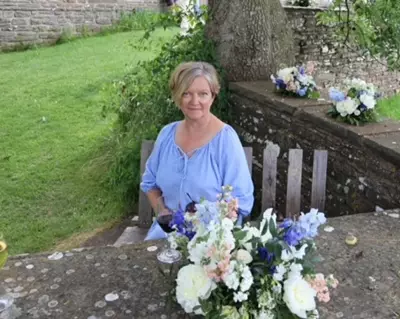
Mariette Jensen, a 67-year-old psychotherapist specializing in narcissistic relationships, cut off contact with her parents in her early fifties after discovering her father had financially manipulated her mentally disabled brother. Growing up with "cold, emotionally unavailable and unsupportive" parents in the Netherlands, Jensen maintained contact primarily for her children's sake before ultimately severing ties.

"I thought, this is so wrong," Jensen recalls about her father's actions. "He's a criminal. I told him I didn't want any more contact with him and if he called me one more time, I'd call the taxman."

Jensen remained estranged from her parents until their deaths, visiting her dying father out of duty but experiencing no reconciliation. She expresses particular empathy for the royal princesses, noting: "I can imagine they might have felt how I did when I looked at my parents: I can't find respect for you. But for them, it's happening on a public level."

The Complex Reality of "Living Loss"

Dr. Bland describes estrangement as a "living loss—the grief process of losing someone who is living," a sentiment echoed across online forums where individuals share ongoing doubts and guilt about their decisions. One Reddit user described her first Easter without parents, feeling "so sad" despite knowing her family had "rejected her all her adult life."

Pickt after-article banner — collaborative shopping lists app with family illustration

Jensen emphasizes there is no universal approach to estrangement: "No one can tell you what to do; you'll know. You have to do it at your own pace. You might cut your parents out, but then be dragged back in. That's part of the process."

She advises those considering distance from family members to prioritize their own safety and sanity, whether through complete cutoff or establishing boundaries that allow limited contact on their own terms. As high-profile examples from the royal family to celebrity circles bring greater visibility to family estrangement, experts hope the stigma surrounding this painful but common experience will gradually diminish.