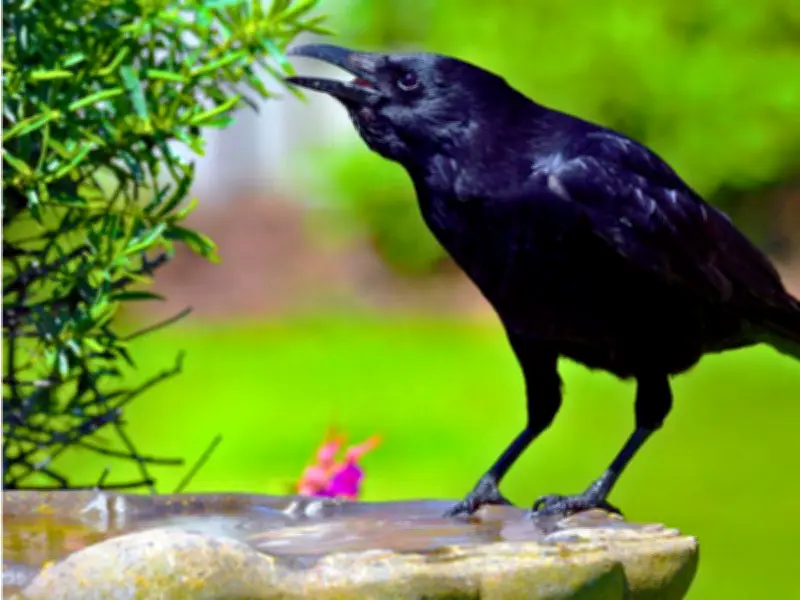
Feeding crows shelled peanuts is the most effective way to befriend these intelligent garden birds, while bread should be avoided as it fills them without providing essential nutrients, according to bird photographer June Hunter. Crows are opportunistic feeders that help control summer pests like slugs, leatherjackets, and flies, making them valuable garden allies.
Why Peanuts Are the Best Choice
Peanuts are energy-rich and packed with fats and proteins that crows adore. They provide a high-energy food source that keeps crows satisfied, reducing the need for constant foraging. Crows also enjoy the challenge of cracking open peanuts using their feet, which stimulates their problem-solving abilities.
However, only unsalted and unflavoured peanuts should be offered, preferably purchased from a pet shop or the pet section of a supermarket. Birds cannot process salt like humans, and even small amounts can strain their kidneys, potentially causing serious harm or death.

How to Befriend Crows
Bird photographer June Hunter advises: "A safe bet is to feed a crow shelled peanuts. They seem to like this. But you don't want to feed crows bread because it fills them up but doesn't contain proper nutrients."
Consistency is key: feed crows at the same time and location following a pattern. Crows have exceptional memories and will recognise anyone who routinely feeds them. However, they should not be fed daily, as this can discourage natural foraging behaviour. Feeding no more than three times weekly helps establish trust without creating dependency.
Crows Recognise Human Faces
Crows are among the most intelligent garden birds and can recognise human faces. Showing kindness often leads them to return regularly. They are also known to occasionally leave small tokens for their human benefactors, such as shiny objects like pebbles, old coins, or misplaced jewellery.
Avoid Feeding Bread
While many people leave bread out for birds, it is one of the worst foods to offer. Bread fills birds up without providing proper nutrients, leading to malnutrition and digestive problems. It can also absorb considerable moisture, which is particularly hazardous during summer months.