NASA's Artemis II mission is poised to make history today as its astronauts embark on a groundbreaking six-hour lunar flyby, setting new records and advancing human space exploration. This event represents a significant milestone in the Artemis program, which aims to return humans to the moon and establish a sustainable presence there.
Key Milestones and Schedule for the Lunar Flyby
The flyby is packed with critical moments that will be closely monitored by space enthusiasts and scientists worldwide. Here are the key times to watch as the Artemis II crew navigates this historic journey.
Afternoon Events: Breaking Records and Beginning the Flyby
At 1 pm BST, NASA+ coverage of the lunar flyby commences, providing live updates and insights into the mission. Shortly after, at 1:56 pm, the crew is expected to pass the distance from Earth record previously set by Apollo 13 in 1970, marking a symbolic achievement in space travel.

By 2:45 pm, the lunar flyby officially begins, with astronauts conducting observations and experiments as they approach the moon. This phase is crucial for gathering data that will inform future Artemis missions.
Evening Highlights: Closest Approach and Solar Eclipse
At 7:02 pm, the Orion spacecraft will make its closest approach to the moon, coming within approximately 4,070 miles of the lunar surface. This moment offers a unique opportunity for the crew to capture high-resolution images and conduct scientific measurements.
Just five minutes later, at 7:07 pm, Orion will reach its maximum distance from Earth, estimated at 252,760 miles, further solidifying the mission's record-breaking nature. The flyby concludes with Orion entering a solar eclipse at 8:35 pm, providing astronauts with a rare view of the moon's shadow and testing the spacecraft's systems in unique conditions.
Inspirational Messages and Mission Significance
In a touching gesture, an Apollo astronaut has sent an inspirational message to the Artemis crew, highlighting the continuity and evolution of lunar exploration from the Apollo era to today. This connection underscores the historical importance of the Artemis II mission, which builds on past achievements while paving the way for future endeavors.
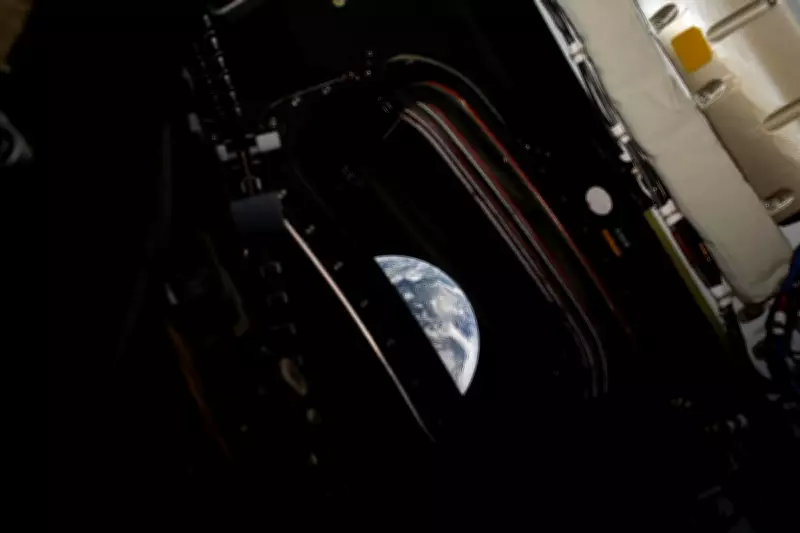
Astronauts on board have expressed excitement about the highlights they hope to witness during the flyby, including lunar landscapes and Earthrise views, which are expected to inspire a new generation of space explorers. The mission not only advances scientific knowledge but also reinforces international collaboration in space exploration.
As the Artemis II crew completes this historic flyby, the data collected will be instrumental in planning Artemis III, which aims to land astronauts on the moon. Today's events mark a pivotal step toward achieving NASA's long-term goals of sustainable lunar exploration and eventual missions to Mars.