Artemis II's Historic Lunar Flyby: A Detailed Schedule and Milestones
Today marks a pivotal moment in space exploration as NASA's Artemis II mission conducts a historic six-hour lunar flyby. This event, a highlight of the lunar mission, will see astronauts achieve significant milestones, including surpassing a long-standing distance record set during the Apollo era.
Key Times to Watch During the Lunar Flyby
The Artemis II crew's journey around the moon is packed with critical moments that space enthusiasts and the general public can follow through live coverage. Here is a detailed schedule of the key events:
- 1:00 PM: NASA+ coverage of the lunar flyby begins, with live streams also accessible on popular platforms such as Amazon Prime, Apple TV, Hulu, Netflix, HBO Max, and Roku.
- 1:56 PM: The Artemis II astronauts are expected to break the record for the farthest humans have ever traveled from Earth, a record previously held by the Apollo 13 crew since 1970.
- 2:45 PM: Lunar observations commence, allowing the crew to gather valuable data and imagery of the moon's surface.
- 6:44 PM: Mission control anticipates a temporary loss of communication with the crew as the Orion spacecraft passes behind the moon, a common occurrence during lunar missions.
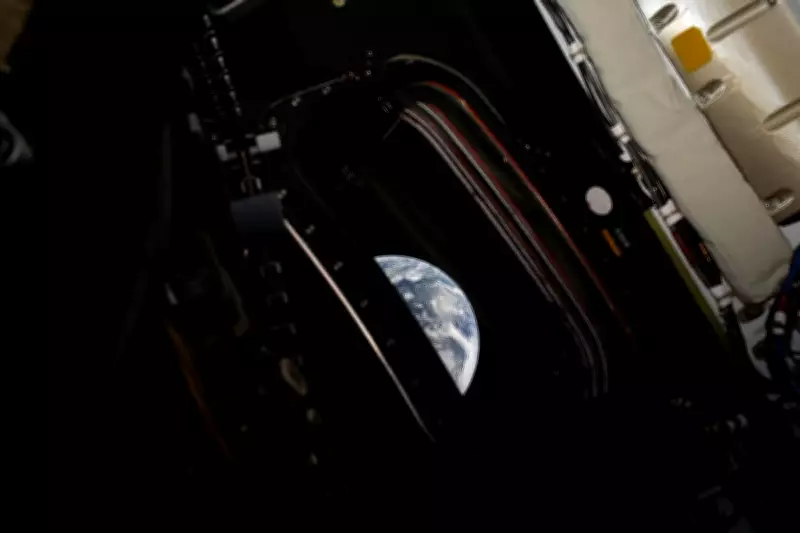
- 6:45 PM: During an event dubbed "Earthset," Earth will glide behind the moon from the perspective of the Orion spacecraft, offering a stunning visual spectacle.
- 7:02 PM: Orion reaches its closest approach to the moon, hovering approximately 4,070 miles above the lunar surface.
- 7:07 PM: The crew achieves their maximum distance from Earth during this mission, marking a significant point in their journey.
- 7:25 PM: "Earthrise" occurs as Earth comes back into view on the opposite edge of the moon, followed by NASA's Mission Control Center re-acquiring communication with the astronauts.
- 8:35 PM to 9:32 PM: The crew will witness a solar eclipse from their unique vantage point, with the sun passing behind the moon, providing a rare observational opportunity.
Insights and Expectations for the Mission
This lunar flyby is not just a technical achievement but also a symbolic step forward in human space exploration. The Artemis II mission builds on the legacy of Apollo, with astronauts hoping to capture unprecedented views and data that could inform future lunar landings and beyond. The temporary communication blackout and celestial events like Earthset and the solar eclipse add layers of complexity and wonder to this endeavor.

As the world watches, this mission underscores NASA's ongoing commitment to pushing the boundaries of space travel, with potential implications for future missions to Mars and other deep-space destinations. The successful execution of today's flyby could pave the way for more ambitious lunar explorations in the coming years.