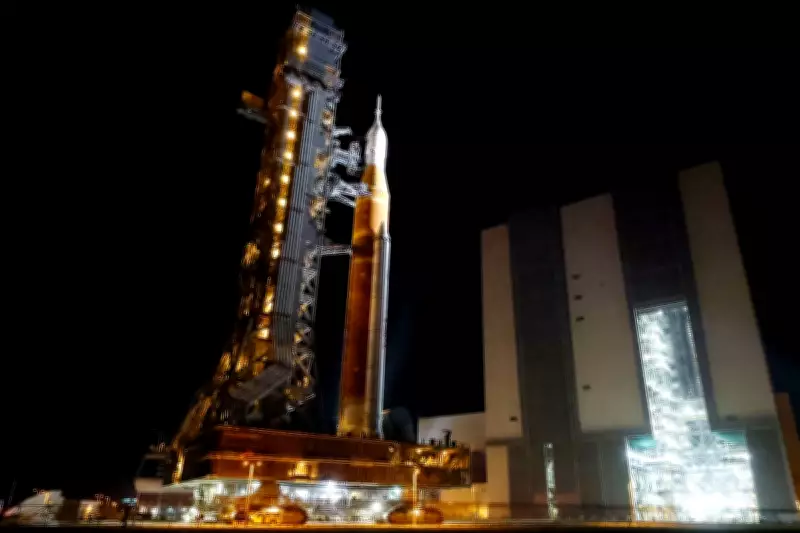
NASA's Artemis Moon Rocket Returns to Launch Pad for April Mission
NASA has successfully transported its Space Launch System moon rocket back to the launch pad at Florida's Kennedy Space Center, marking the second such move this year in preparation for the highly anticipated Artemis II mission. The 322-foot (98-meter) rocket embarked on a slow, 4-mile (6.4-kilometre) journey from its hangar, carried by a massive crawler vehicle, though the trip faced several hours of delays due to high winds.
Mission Details and Crew Preparation
The Artemis II mission aims to launch four astronauts – three Americans and one Canadian – on a lunar fly-around, with a potential launch date as early as April 1. The crew has already entered quarantine in Houston, underscoring the mission's imminent timeline. This mission involves the astronauts zipping around the moon in their capsule and returning without landing, serving as a critical test before future lunar surface expeditions.
Overcoming Technical Challenges
Previously delayed by two months due to issues such as hydrogen fuel leaks and clogged helium lines, the rocket required repairs in the Vehicle Assembly Building. These setbacks highlight the complexities of space exploration, but NASA's efforts have now positioned the mission for a renewed launch attempt. The Artemis programme represents NASA's ambitious plan to return humans to the moon, following the last human moon landing during Apollo 17 in 1972.

Future Goals and Significance
Artemis II is a pivotal step in NASA's broader Artemis programme, which ultimately targets a two-person lunar landing in 2028. This mission not only advances scientific exploration but also reinforces international collaboration, with Canadian participation. The successful transport of the rocket to the pad signals progress toward revitalising human spaceflight beyond Earth's orbit, setting the stage for future lunar and deep-space endeavours.