NASA Mars Photo Sparks Debate Over 'Giza-Sized Pyramid' Discovery
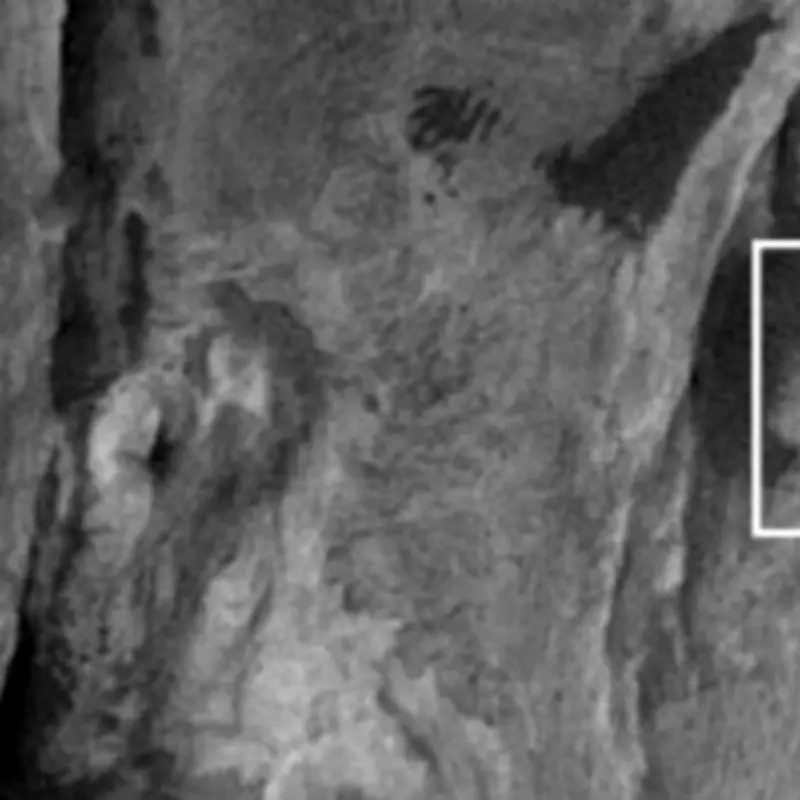
Stunning photographs released by NASA have ignited intense speculation after appearing to show a pyramid-like structure on the surface of Mars, remarkably similar in size to the Great Pyramid of Giza in Egypt. This extraordinary find has propelled a decades-old debate back into the spotlight, questioning whether an ancient civilisation could have once thrived on the Red Planet.
Historical Context and Recent Revelations
The concept of pyramids on Mars is not entirely new; it was first explored by scientists in the 1970s. Researchers Mack Gipson and Victor Ablordeppey initially documented "triangular and polygonal pyramid-like structures" on the Martian terrain. However, the latest and most compelling formation was identified by researcher Keith Laney in 2001 during his examination of the planet.
Laney, cited by MailOnline, has expressed a strong belief that the structure might be artificial. He remarked, "Were this found anywhere on Earth, we'd surely be digging into it." This sentiment underscores the intrigue surrounding the discovery, suggesting it warrants serious scientific investigation rather than dismissal as a mere geological oddity.

Detailed Analysis of the Formation
The so-called "pyramid" is located in Candor Chasma, part of the vast Valles Marineris canyon system, which stretches nearly a quarter of Mars' circumference. This canyon system is believed to have formed through a series of rift faults, later expanded by erosion and the collapse of its walls. According to reports from the Express, NASA spacecraft have photographed this pyramid-shaped formation on four separate occasions between 2001 and 2016.
Remarkably, the structure has maintained a consistent three-sided symmetry across all these observations, regardless of variations in lighting, image resolution, and seasonal conditions. This consistency has led researchers like Mars investigator George Haas to support the claims. He told MailOnline, "You don't have to be a geologist to know the difference between a rock and a sculpture, something that's geometric."
Broader Implications and Speculation
Filmmaker Brian Dodds recently shared the photographs, noting that the structure is "the size of the Great Pyramid in Egypt." While he acknowledges this is not conclusive evidence of ancient life on Mars, he argues it raises profound questions about whether another species might have previously inhabited the planet. This perspective is echoed in documents disclosed by the CIA, which have further fuelled speculation about extraterrestrial structures.
Papers released in 2025 revealed that the CIA conducted experiments designed to gather intelligence on Mars. Former CIA operative Joe McMoneagle claims these experiments discovered pyramids scattered across the Martian surface, including one with "monster rooms" larger than any found in Egypt. These assertions add a layer of intrigue, suggesting that official agencies have long been interested in such anomalies.
Future Prospects and Scientific Scrutiny
Ultimately, determining the true nature of these structures will require a dedicated mission to Mars. Without direct exploration and analysis, it remains impossible to confirm whether they are natural geological formations or artefacts of an ancient civilisation. For now, the latest discovery continues to fuel speculation and debate among scientists, researchers, and the public alike.
As the discussion evolves, this find highlights the enduring human fascination with Mars and the possibility of life beyond Earth. It serves as a reminder of the mysteries that still await us in our solar system, encouraging ongoing exploration and scientific inquiry into the Red Planet's enigmatic past.