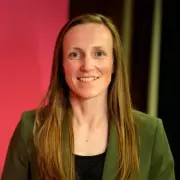
Hannah Ritchie Wins £10,000 Unwin Award for Climate Books
Dr Hannah Ritchie wins the £10,000 Unwin Award for her data-led climate books, offering an optimistic counter-narrative to environmental pessimism.


Dr Hannah Ritchie wins the £10,000 Unwin Award for her data-led climate books, offering an optimistic counter-narrative to environmental pessimism.
A new nasal spray using extracellular vesicles and microRNAs reverses brain inflammation and restores memory in mice, offering hope for Alzheimer's and healthy ageing.
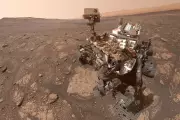
NASA's Curiosity rover has identified new organic compounds on Mars, including one similar to DNA precursors, boosting evidence the planet was once habitable.

Experts argue that social sciences must adopt better data and observation methods to improve research replicability, comparing current tools to Galileo's telescope versus modern observatories.

Shared lists with real-time sync. No signup needed — just open and shop together.
Recommended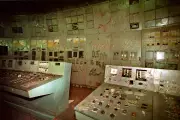
Efrem Lukatsky, an AP photographer who witnessed the 1986 Chernobyl disaster, recounts decades documenting the exclusion zone's haunting silence, human sacrifice, and persistent dangers in a powerful photo essay.
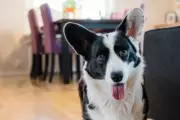
New research shows that brief daily play sessions, especially tug-of-war, significantly strengthen emotional connections between owners and their dogs.
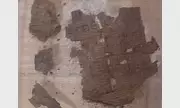
Archaeologists uncover a fragment of Homer's Iliad inside a Roman-era Egyptian mummy, marking the first Greek literary text used in mummification, found in Oxyrhynchus.
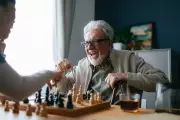
Discover how memory works in three stages and learn five practical techniques to enhance both working and long-term memory, from smartphone management to retrieval practice.

New research from the University of Miami finds never-married individuals have significantly higher cancer rates, with men 70% and women 85% more likely to be diagnosed than married counterparts.
Shared lists with real-time sync. No signup needed — just open and shop together.
Recommended
New research indicates genetic variations can predict weight loss and side effects from GLP-1 medications like Wegovy, offering insights for future precision medicine approaches.

University College London scientists discover distinct gut bacteria in Parkinson's patients and high-risk individuals, offering potential for early diagnosis and preventative treatments.
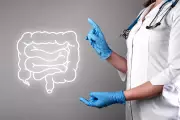
A UK trial of pembrolizumab before surgery for bowel cancer has achieved zero relapses after 33 months, with 59% of patients showing no disease signs, reducing chemotherapy needs.
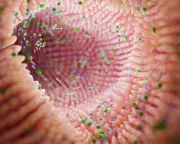
Scientists discover signature changes in the gut microbiome linked to Parkinson's risk, offering hope for early detection and new therapies through dietary interventions.
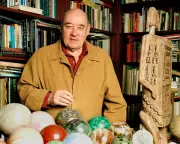
Desmond Morris, renowned for his 1967 bestseller The Naked Ape and TV series Zoo Time, has passed away at 98. His son praised his lifelong curiosity in zoology and surrealist art.
Shared lists with real-time sync. No signup needed — just open and shop together.
Recommended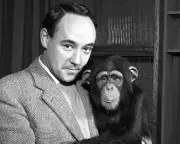
Desmond Morris, the pioneering zoologist and author of the groundbreaking book The Naked Ape, has passed away at age 98. His career spanned television, art, and science.

Ruth Francis, who led press communications at Nature for eight years and championed accurate science reporting, has died from cancer aged 47. She built public trust in research.
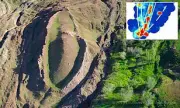
Archaeologists have uncovered a network of ancient tunnels in Mount Ararat, Turkey, believed to be linked to the biblical story of Noah's Ark, sparking excitement and debate.
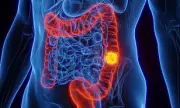
A groundbreaking clinical trial using pre-surgery immunotherapy has kept bowel cancer patients disease-free for nearly three years, offering new hope for a cure and transforming treatment approaches.
A groundbreaking UK trial using pembrolizumab immunotherapy before surgery has resulted in zero cancer recurrences among patients after 33 months, dramatically outperforming standard treatments.
Shared lists with real-time sync. No signup needed — just open and shop together.
Recommended
University of Aberdeen research reveals gut tissue abnormalities can predict non-Alzheimer's dementia, Parkinson's and MND at least seven years before neurological symptoms appear.

New research suggests omega-3 supplements containing EPA could delay recovery from traumatic brain injuries by impairing cell repair functions and worsening toxic protein accumulation.

American researchers using ground-penetrating radar have uncovered hidden tunnels and chambers at Turkey's Durupınar Formation, which they believe match biblical descriptions of Noah's Ark.
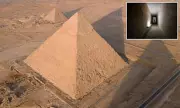
Alternative theories suggest Egypt's Great Pyramid may have been an ancient power generator, challenging mainstream archaeology's tomb narrative with chemical residue evidence.
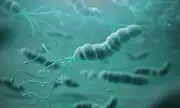
Chinese researchers identify 20 oral bacteria species linked to stomach cancer, paving the way for non-invasive saliva screening that could detect the disease earlier and save lives.
Shared lists with real-time sync. No signup needed — just open and shop together.
Recommended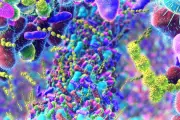
Scientists discover distinct gut microbiome patterns in Parkinson's patients and genetic risk carriers, potentially enabling early detection and prevention strategies years before symptoms appear.
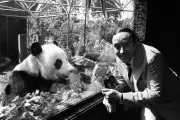
Renowned zoologist and TV presenter Desmond Morris, famous for 'The Naked Ape' and 'Zoo Time', has died aged 98, remembered for his lifelong curiosity and creativity.

New research reveals how sibling relationships impact mental health and wellbeing throughout life, with 80% of people having brothers or sisters yet often neglecting this crucial bond.
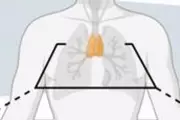
New research challenges the long-held belief that the thymus gland becomes unimportant after childhood, linking its health to longevity and cancer treatment success.

New research suggests that young non-smokers with healthier diets may face higher lung cancer risk due to pesticide residues on fruits and vegetables, challenging conventional wisdom about nutrition and cancer prevention.
Shared lists with real-time sync. No signup needed — just open and shop together.
Recommended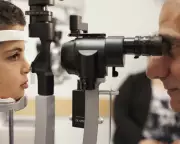
Scientists Jean Bennett, Albert Maguire, and Katherine High win the Breakthrough Prize for developing Luxturna, a gene therapy that restores vision in patients with Leber congenital amaurosis.
