A Texas judge is poised to deliberate on a formal declaration of innocence for the four men who were wrongfully accused of the notorious 1991 Austin yogurt shop murders, a case that has haunted the city for decades. The hearing, scheduled for Thursday before state District Judge Dayna Blazey, marks a critical juncture in a long and painful saga for the accused and their families.
Decades-Long Wait for Justice
Travis County District Attorney José Garza emphasized the prolonged ordeal, stating, "It has been over twenty-five years since the four men wrongfully accused have been waiting for the criminal justice system to clear their names." Two of the original suspects, Michael Scott and Forrest Welborn, are expected to attend the hearing, while Robert Springsteen, who was initially convicted and spent years on death row, is not anticipated to be present. Maurice Pierce, another accused individual, passed away in 2010.
Brutal Crime That Shook Austin
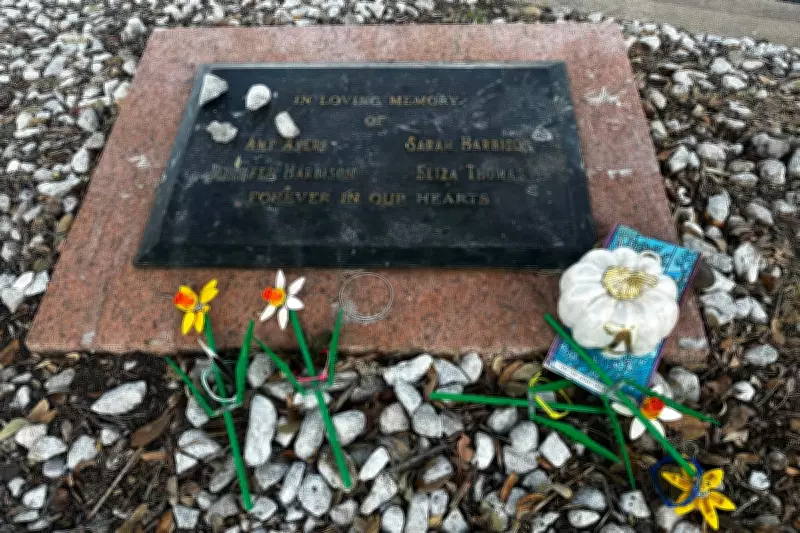
The murders occurred at the "I Can’t Believe It’s Yogurt" store, where four teenagers—Amy Ayers, 13; Eliza Thomas, 17; and sisters Jennifer and Sarah Harbison, ages 17 and 15—were bound, gagged, and shot in the head. The building was subsequently set ablaze, intensifying the horror of the crime. This brutal act sent shockwaves through Austin and baffled investigators for years, as they pursued thousands of leads and grappled with several false confessions.

Legal Battles and Overturned Convictions
In late 1999, four men were arrested in connection with the murders. Springsteen and Scott were convicted largely based on confessions they claimed were coerced by police, but both convictions were overturned in the mid-2000s. Welborn faced charges but was never tried after two grand juries refused to indict him, and Pierce spent three years in jail before the charges against him were dismissed.
Prosecutors attempted to retry Springsteen and Scott, but in 2009, a judge ordered the charges dismissed. This decision came after new DNA testing, unavailable in 1991, revealed evidence pointing to another male suspect, effectively putting the case on hold until recent developments.
Breakthrough with New Suspect
The case regained public attention in 2025 with an HBO documentary series exploring the unsolved crime. In September of that year, investigators announced that new evidence and re-examinations of old evidence had identified Robert Eugene Brashers as the likely killer. Authorities had previously used advanced DNA analysis to link Brashers to other violent crimes, including a 1990 strangulation death in South Carolina, a 1997 rape in Tennessee, and a 1998 shooting in Missouri.
The connection to the Austin case was solidified when DNA from under Ayers’ fingernail matched Brashers from the South Carolina murder. Additionally, Austin investigators discovered that Brashers had been arrested near El Paso two days after the yogurt shop killings, with a stolen pistol in his car that matched the caliber used in one of the girls' deaths. Police noted similarities in modus operandi, such as victims being tied with their own clothing, sexual assault, and arson at crime scenes.
Path to Compensation and Closure
An exoneration ruling would not only close a dark chapter for the wrongfully accused men and their families but also serve as a key step toward seeking financial compensation for the years they spent incarcerated. Brashers died in 1999 after shooting himself during a standoff with police in Missouri, leaving the case without a living perpetrator but with renewed hope for vindication.
This hearing represents a pivotal moment in a story of justice delayed, highlighting the enduring impact of wrongful accusations and the relentless pursuit of truth through evolving forensic science.