Gas prices have jumped to four-year highs and oil prices have risen sharply after an escalation of attacks by Israel and Iran on gasfields, raising fears of prolonged disruption to international energy supplies. QatarEnergy told Reuters on Thursday that Iranian strikes had damaged facilities producing 17% of its liquefied natural gas (LNG) export capacity, with repairs expected to take three to five years.
Brent crude, the global oil benchmark, rose by 10% to $119 a barrel at one point before settling at $110, a gain of 3.3%. Crude prices have soared by 60% since the US-Israeli war on Iran began on 28 February. European gas prices also jumped, with the Dutch wholesale gas price up 24% at €68 per megawatt hour, the highest since December 2022, before easing back.
UK gas prices have more than doubled since late February, likely driving up household bills. The month-ahead wholesale price rose 23% on Thursday to 172p a therm, its highest since August 2022, though still well below the peak of 800p hit in March 2022. The escalation triggered a sell-off across stock markets, with the FTSE 100 closing down 2.35% at 10,063 points.

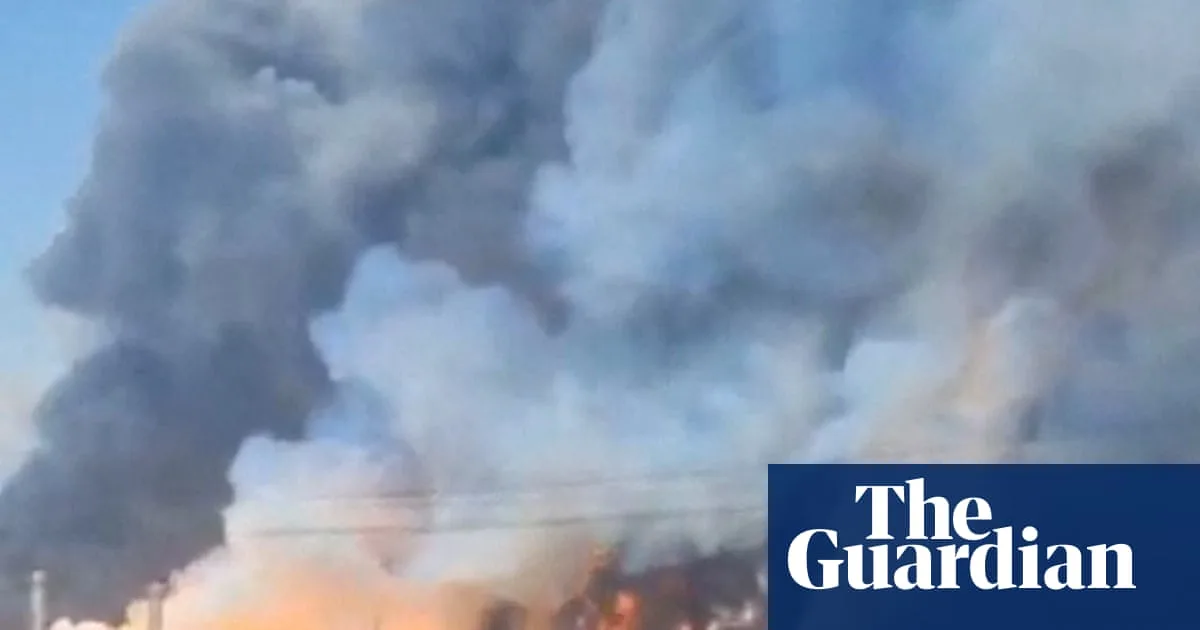
QatarEnergy said the Ras Laffan facility, the world's largest LNG hub, suffered extensive damage in Iranian strikes. Shell confirmed damage to its Pearl GTL facility at the site, though a fire was quickly extinguished with no injuries. Authorities in Abu Dhabi also shut down operations at the Habshan gas facility and Bab oilfield due to Iranian attacks.
Analysts warned of sustained energy shocks. Susannah Streeter of Wealth Club said: 'The prospect of a longer, more drawn-out conflict is in sharp focus as both sides ratchet up attacks on energy infrastructure.' Thomas Pugh of RSM UK cautioned that if energy prices remain high into the summer, second-round inflationary effects could push inflation towards 5%, making interest rate hikes more likely from the Bank of England.